I've written and made loads of things for TV, radio, the internet, print and more. I love comedy, music, local scenes, community projects and people who create their own universes. I'm interested in the processes, creative and practical, by which we can make all these things as good - and as impactful - as they can possibly be.
Projects
The Really Strange Record Club
East London's music social for adventurous listeners.
Mostly Listening
A weekly radio show about musical rabbit-holes.
There's Something About Michael
A podcast about the films of Michael Douglas.
I'll Explain Later
Conversations about Doctor Who.
Recent Posts
New episode of Mostly Listening
Introducing: There's Something About Michael
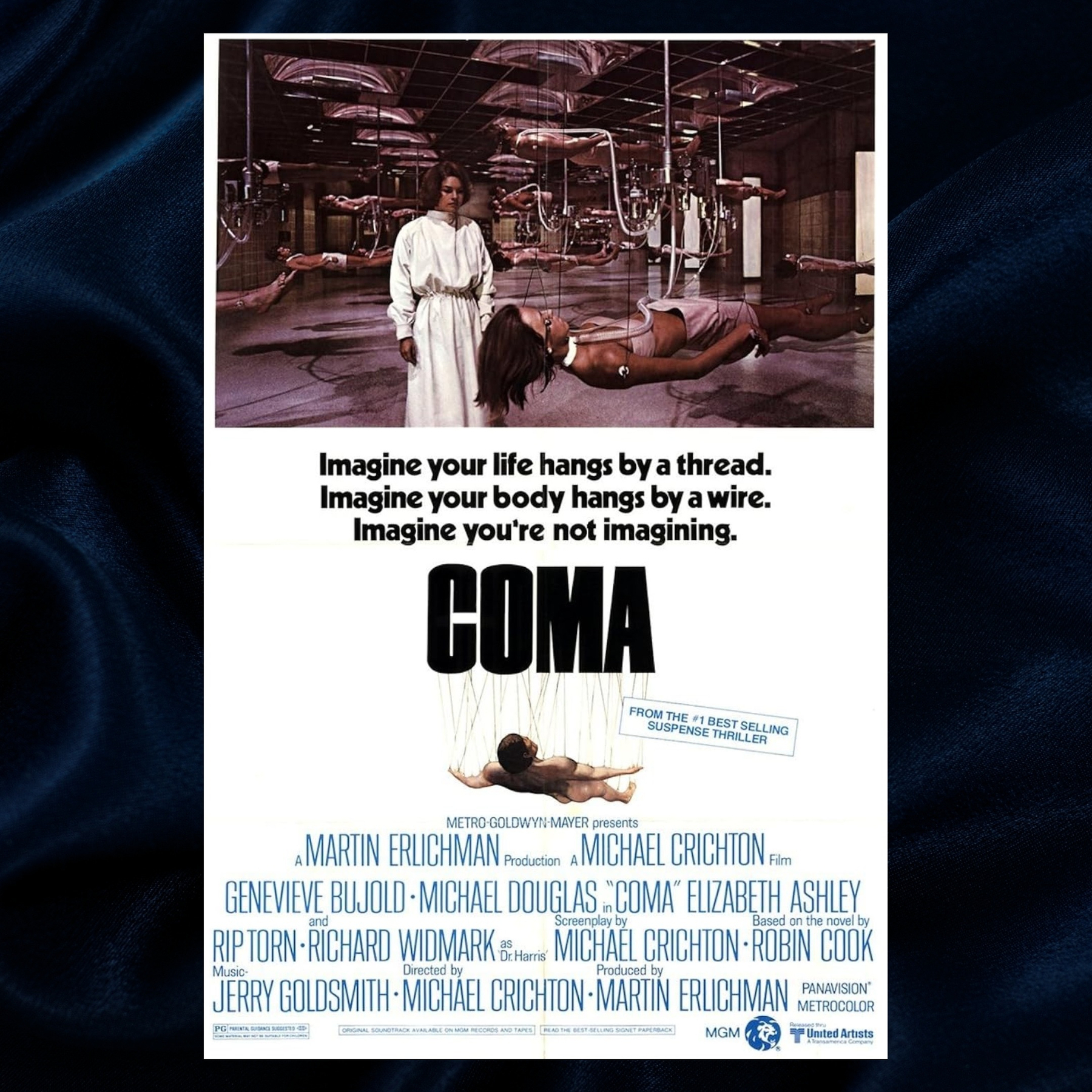
Today I’m very excited to be launching a new podcast. There’s Something About Michael is a film-by-film discussion of the work of Michael Douglas, hosted by me and my pal David Price. The first episode is available now across all platforms and looks at Douglas’ first major film role, 1978’s Coma.
Why exactly are we doing a podcast about Michael Douglas? As we discuss at the start of the episode, we were very struck by how carefully considered his filmography seems to be, how frequently he portrays flawed men making poor moral choices that we are nevertheless asked to root for or identify with. Years before anyone was talking about a crisis of masculinity, Douglas was making film after film about white-collar WASP guys whose lives go to pieces when their patriarchal expectations of how the world works collide with the changing realities of the late 20th century. He’s a type of movie star we don’t really get any more, starring in a type of film that Hollywood has mostly stopped making. These films are slices of movie history and social history all rolled into one.
The Mostly Listening archives are now up to date! Check out my recent episodes on The Human League and Jean Michel Jarre as well as my Halloween special and the first part of my mini-series How Was Your 90s?, about late-era work by icons of the 50s, 60s, 70s and 80s.
New episode of Mostly Listening
New episode of Mostly Listening
New episode of Mostly Listening
New episode of Mostly Listening
That’s two years running now that Water Damage have delivered my gig of the year. Hope they come back and make it a hat trick in 2027. Absolutely extraordinary band.
New episode of Mostly Listening
Mostly Listening 25 - The Visible Cloaks Connection (7th October 2026)
New episode of Mostly Listening
Whiteboards
A good clue that someone might have once worked as a TV entertainment producer is a camera roll full of pictures of whiteboards. Several times a month, my photos app’s Memories tab will surface a picture of a whiteboard; it’s a fun game to try and guess the year from what’s written on it.
Here is an early whiteboard from 2016’s edition of Big Fat Quiz of the Year, not exactly a slow news year:
Lifeboats
Ryan Broderick, back in August:
Really what this is all going to boil down to is intentionality. Do you want an audience that will intentionally watch your shows and actually go see your movies in theaters? Or do you want to make audiovisual stimuli that people mindlessly stare at?
The Flattening
Last week, Blackbird Spyplane’s Jonah Weiner published a fantastic piece looking back on his time as a celebrity profile writer for Rolling Stone, a contract that ended when the magazine was sold in 2017.
By that point, thankfully, I had a contract at the New York Times Magazine, too. It didn’t come with guaranteed monthly checks the way Rolling Stone’s did, but it paid well for the stories I did write. Between that and occasional freelance features I wrote for magazines like the New Yorker, New York, WSJ, and Wired, I could still pay my bills. Crucially, I could still call myself “a profile writer,” too, which was, after all, the thing I’d spent some 20 years of my life learning how to be.
Sad to hear that bassist and composer Yoshio Suzuki died last week. His two albums on JVC’s Music Interior sub-label are absolutely delightful - especially Morning Picture. I featured a few of his tunes in my Mostly Listening label retrospective back in June.
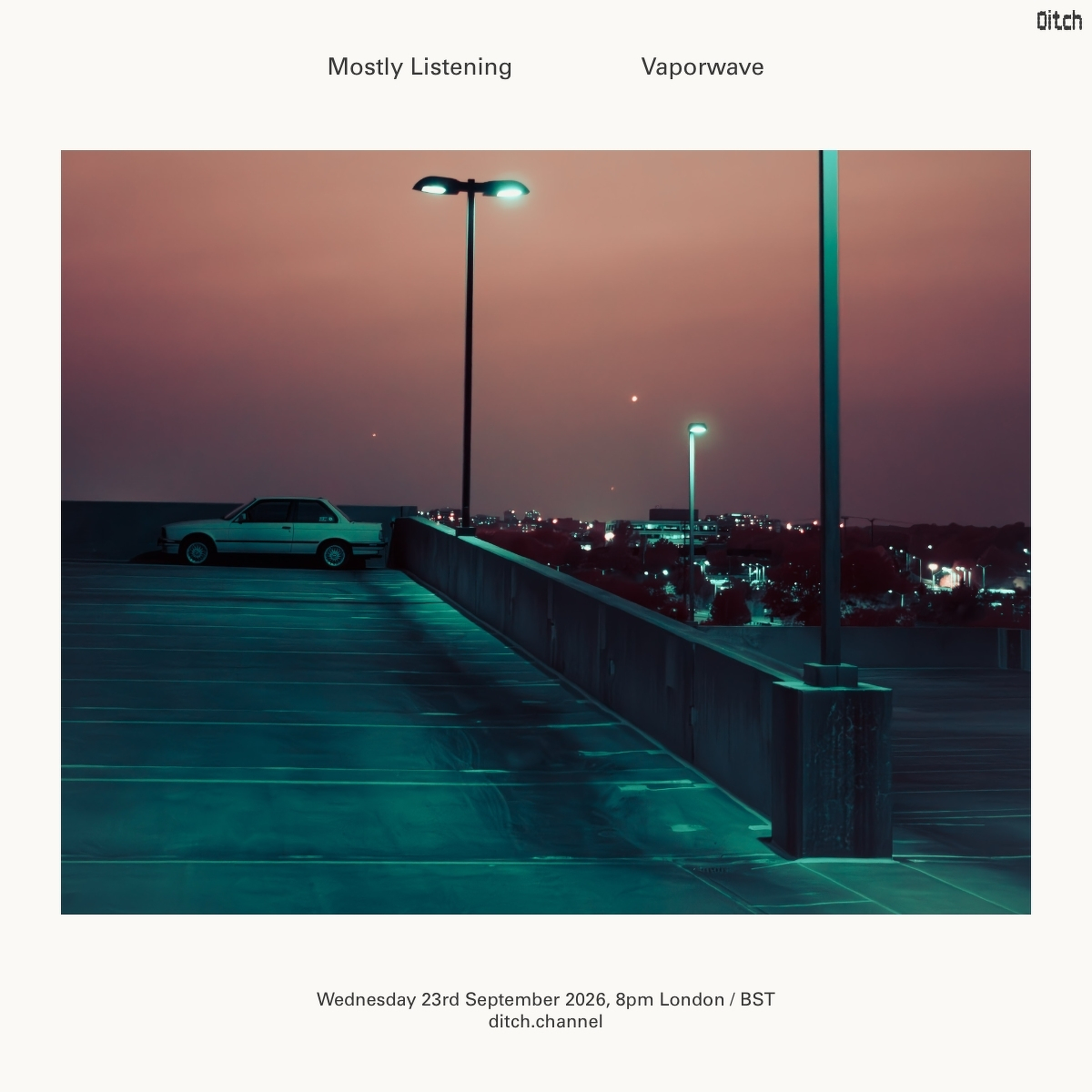
New episode of Mostly Listening
RIP William Orbit, the producer who sparked my never-ending interest in how records were made. Coincidentally, last week’s Mostly Listening delved into his early demos for Ray of Light, my favourite album of the 90s. Proper tribute mix incoming.
The bathos of this Abbey Road crossing livecam - now with a temporary crossing due to roadworks - is exquisite. Last night I watched a bloke lob a traffic cone into a bush. 10/10.
Fantastic piece over at POW MAG on the restoration of composer Julius Eastman’s work. The conclusion is sobering.
As we spoke, Rountree told me that every year Wild Up applies for an NEA grant to continue their project of restoring Eastman’s work, and ever year the funding had been approved. But then the administration changed, and the funding for “Gay Guerrilla”—already approved—was suddenly revoked. This is this is the way that culture works, when fascism is in power. The erasure of artists who prod at the hypocrisies of empire is not a historical artefact alongside the music: It is a present, active threat.
The streaming economy made it possible for a small band to put their music online and theoretically be available to everyone, and the cultural assumption became that if you were any good, the algorithm would eventually find you, and if it didn’t, you weren’t. This is approximately as true as saying that if you are a good fisherman, the fish will eventually find your house.
Absolutely magnificent paean to local scenes from the debut edition of thisish.